

Category: Asynchronous

The Future in Focus: Integrating Emerging Technology in Low Vision Rehabilitation

This lecture explores contemporary low vision rehabilitation through real-world clinical cases, highlighting how traditional optical devices integrate with mainstream and emerging technologies. Participants will examine built-in accessibility features and advanced assistive tools, along with targeted training strategies to support individuals with severe vision loss. Emphasis is placed on assessing vocational and daily living demands to guide individualized compensatory approaches that enhance independence and quality of life.
Read More »

Seeing Beyond Acuity: Case Studies in Pediatric Low Vision from CVI to Albinism

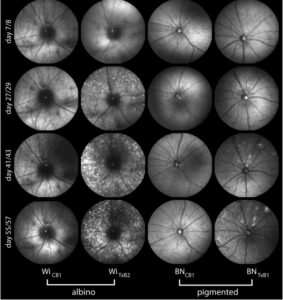
This course offers a concise, clinically focused overview of cerebral visual impairment (CVI) and albinism, highlighting how neurological and structural differences affect visual and functional vision beyond visual acuity alone. Using case-based assessment, guided history tools, and current research, participants will learn to evaluate visual processing, functional vision, and real-world access challenges. The course emphasizes interdisciplinary management, educational accommodations, and individualized, function-focused care planning.
Read More »

Glaucoma: Out of the Shallows

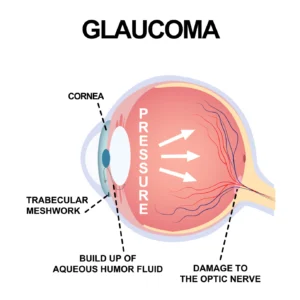
This case-based course explores multimodal imaging to identify subtle/shallow cupping and focal structural loss within the vulnerable zone. Attendees will evaluate management strategies for Normal Tension Glaucoma using integrated structural and functional data.
Read More »

Glaucoma Examination & Diagnostic Approach

This course is a comprehensive guide to glaucoma diagnosis and management. Participants will explore key components of the glaucoma exam, including IOP measurement, CCT, anterior segment, and optic nerve assessment, alongside essential ancillary testing like visual fields and OCT.
Read More »

Amblyopia Outcomes in Clinical Practice

This course reviews evidence-based amblyopia outcomes from clinical trials and IRIS Registry data, defining prevalence, benchmarks for success, and factors affecting outcomes to help clinicians set realistic goals, recognize disparities, and improve management and counseling.
Read More »