
TUESDAY, DECEMBER 15, 2026:
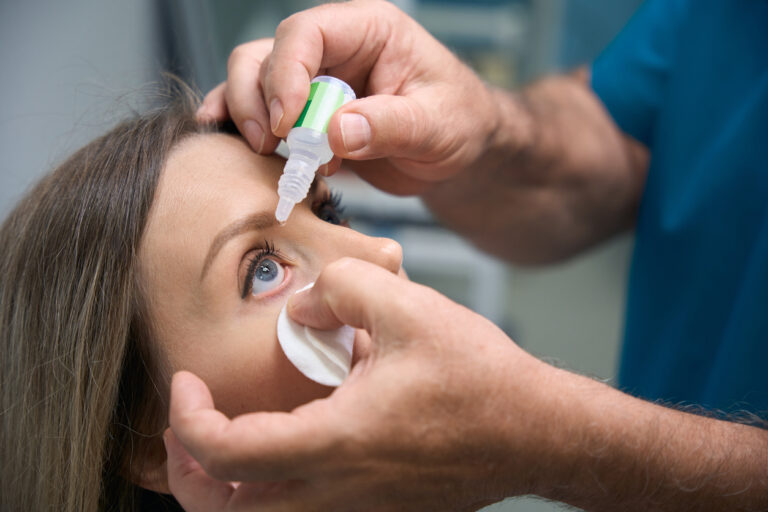
This course reviews advances in ophthalmic drug delivery and newly approved ophthalmic drugs, emphasizing evidence-based treatment options, clinical applications, benefits, limitations, and considerations for optometric and ophthalmologic practice.
TUESDAY, NOVEMBER 17, 2026:
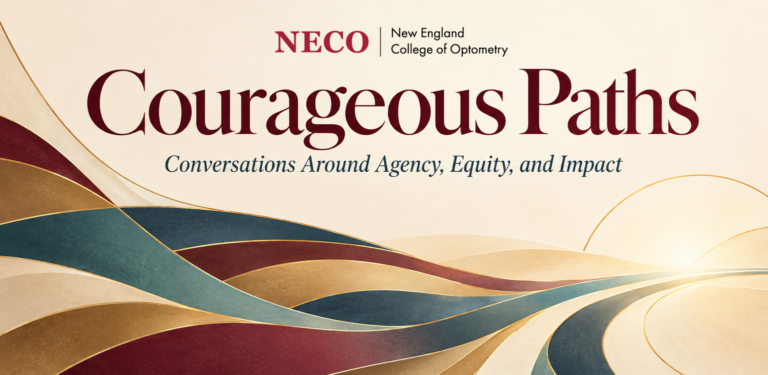
What does it truly mean to practice patient-centered care? In this special event, you'll hear directly from Dr. Amie Shei, CEO of the Health Foundation of Central MA, alongside community health center optometrists Drs. Nicole Pogue, Caroline Marhefka, and Michelle Vaca as they share real-world insights on how to put equity and agency at the heart of patient treatment decisions. Co-moderators are OD3 Annabelle Wang and Dr. Amy Moy.
🔍

Dr. Chen presents an overview of the myopia epidemic in China, including epidemiology and incidence among school students across different regions. She will discuss key risk factors such as genetics, outdoor time, digital screen use, and intensive early education. The talk will also cover community-based prevention strategies—including the "Wenzhou model" for screening and big data support—and current clinical interventions in China, such as Ortho-K lenses, defocus spectacle lenses, combo

This webinar explores off-label applications of miotics beyond presbyopia, specifically in medical contact lens care and in managing dysphotopsias (glare, halos) after refractive and cataract surgery.

This lecture reviews ocular complications of periocular hyaluronic acid injections, from mild irritation to vision-threatening inflammatory, infectious, neuro-ophthalmic, and vascular events.

This course utilizes case studies to analyze focal glaucomatous damage, focusing on the anatomical susceptibility of the lamina cribrosa, the diagnostic significance of disc hemorrhages, and the aggressive management required for acquired optic pits.

This lecture explores contemporary low vision rehabilitation through real-world clinical cases, highlighting how traditional optical devices integrate with mainstream and emerging technologies. Participants will examine built-in accessibility features and advanced assistive tools, along with targeted training strategies to support individuals with severe vision loss. Emphasis is placed on assessing vocational and daily living demands to guide individualized compensatory approaches that enhance

This course offers a concise, clinically focused overview of cerebral visual impairment (CVI) and albinism, highlighting how neurological and structural differences affect visual and functional vision beyond visual acuity alone. Using case-based assessment, guided history tools, and current research, participants will learn to evaluate visual processing, functional vision, and real-world access challenges. The course emphasizes interdisciplinary management, educational accommodations, and

This course explores the clinical intersection of glaucoma and neurology, focusing on the ganglion cell layer. Using case reviews, we differentiate GCL loss patterns in glaucoma from those in strokes and neurodegenerative diseases.
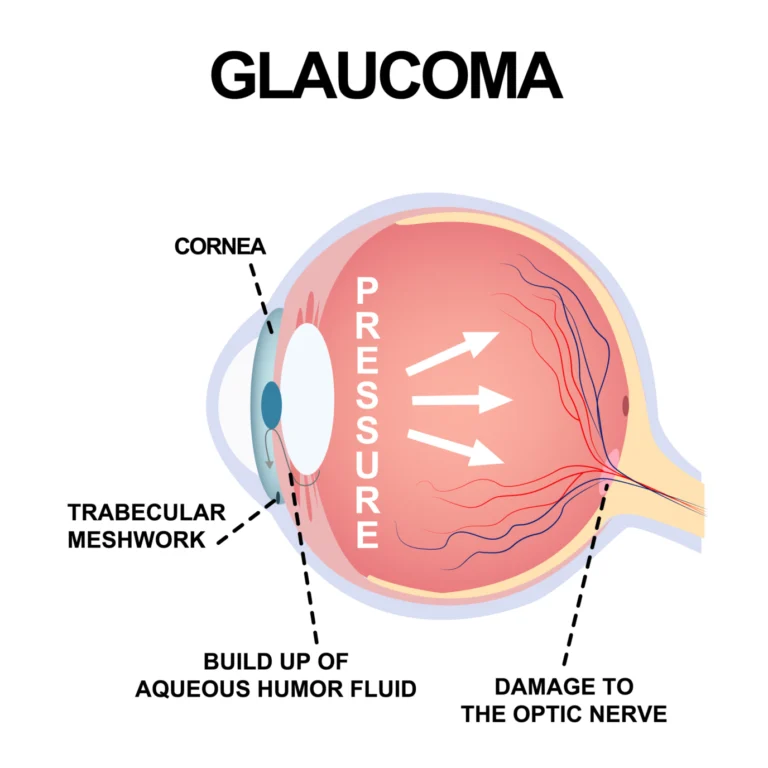
This case-based course explores multimodal imaging to identify subtle/shallow cupping and focal structural loss within the vulnerable zone. Attendees will evaluate management strategies for Normal Tension Glaucoma using integrated structural and functional data.
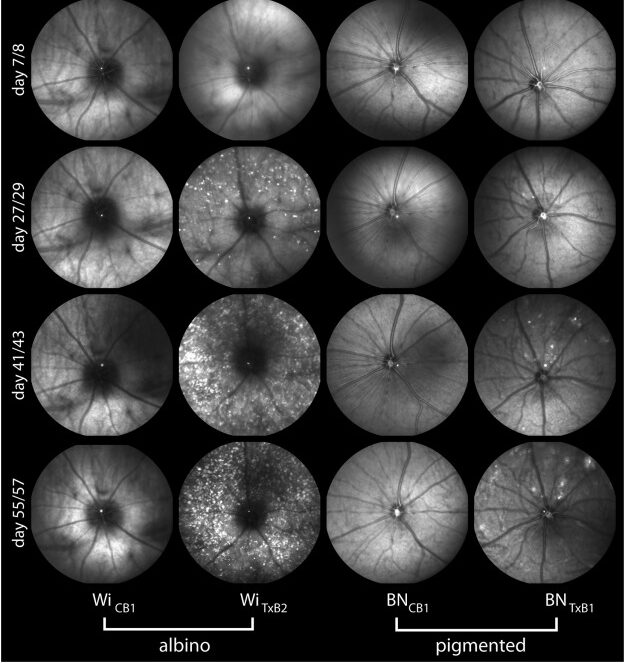
This course analyzes longitudinal OCT/cSLO data via a decade-long glaucoma suspect case. Clinicians will learn to interpret RNFL/GCC progression slopes and integrate objective imaging findings into collaborative, patient-centered management strategies.

This course offers an evidence-based update on amblyopia management tailored for the busy clinician.
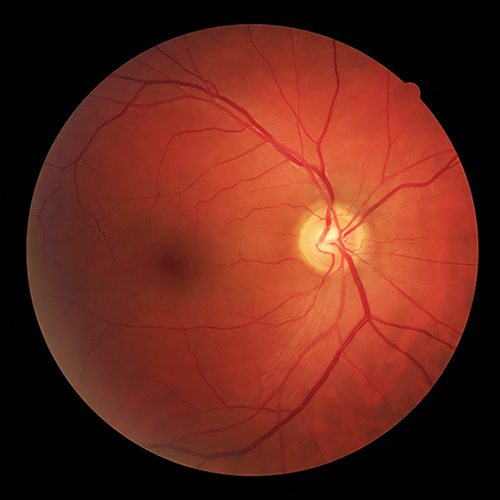
This course is a comprehensive guide to glaucoma diagnosis and management. Participants will explore key components of the glaucoma exam, including IOP measurement, CCT, anterior segment, and optic nerve assessment, alongside essential ancillary testing like visual fields and OCT.

This comprehensive course covers essential aspects of opioid pharmacology, clinical considerations, and patient management. Topics include the pharmacological properties of opioids, potential drug effects and adverse reactions, and best practices for pain management.

This course reviews evidence-based amblyopia outcomes from clinical trials and IRIS Registry data, defining prevalence, benchmarks for success, and factors affecting outcomes to help clinicians set realistic goals, recognize disparities, and improve management and counseling.

As optometric practices transition toward fully integrated digital healthcare environments, protecting Protected Health Information (PHI) requires moving beyond basic security measures. This course, presented in a podcast format, provides a roadmap based on 2025 cybersecurity standards.

Created by eye care providers for eye care providers and all interested in ensuring equitable access to vision health care for individuals with intellectual and developmental disabilities.
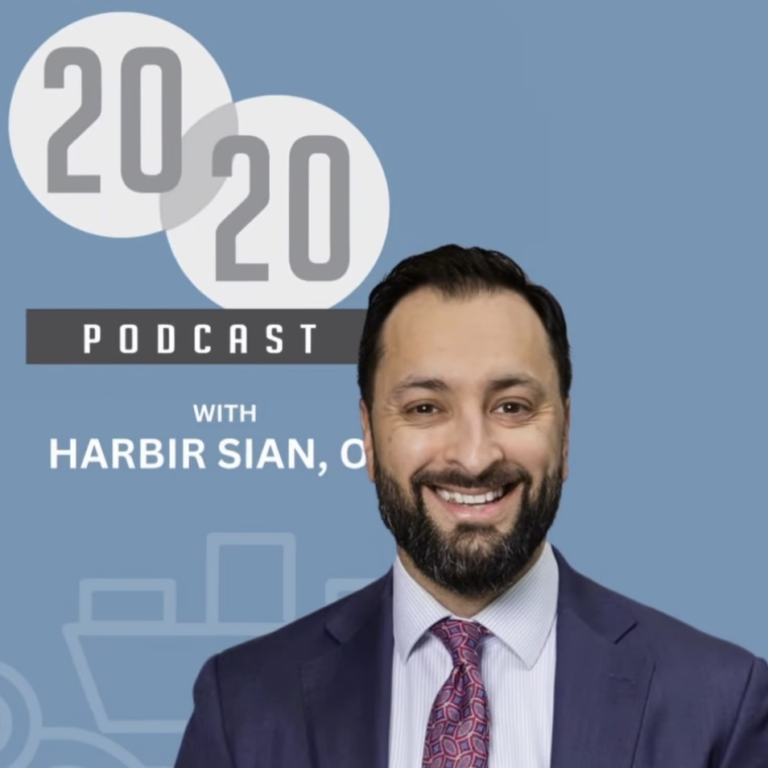
NECO graduate Dr. Harbir Sian presents his signature lecture on "The Business of Myopia," focusing not on clinical refraction techniques, but on the real-world systems required to deliver effective myopia management in everyday practice.

Driving is a priority for many people who present for low vision services. It is critical that providers accurately assess a patient’s visual ability to meet licensure requirements and also to determine if additional evaluations are needed based on comorbid conditions. This lecture will explore driving with low vision through 2 cases. The first case focuses on the need for multidisciplinary care and the second case focuses on advanced prescribing patterns including exploration of bioptic

NECO's 2025 Industry Collaborative focused on reimagining optometric education in the age of artificial intelligence. Guest speakers included Dr. Joshua Baker, President & CEO of Midwestern University, and Dr. Joseph Aoun, President of Northeastern University.
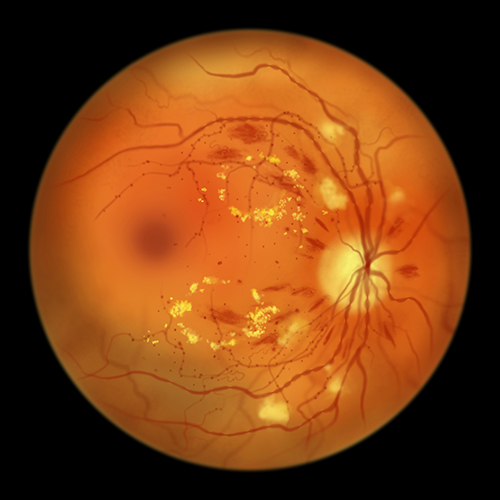
Eye care specialists examine the causes and potential solutions to barriers that create inequities in diabetic eye care, from screening to treatment.

Join an expert panel consisting of an ophthalmologist and an optometrist to discuss the burden and causes of DED, the role of the lacrimal functional unit (LFU) in DED pathophysiology, and the rationale for targeted neuromodulation. The panel will also explore the symptoms of DED and the new pharmacologic agents that target the LFU, along with clinical evidence supporting their use.
An expert panel of two ophthalmologists will explore how anti-angiogenesis agents can help reduce treatment burden faced by patients while achieving optimal vision outcomes.
Our VA Healthcare System lectures are presented by VA/NECO optometry residents. This is a partnership between NECO, VA Boston Healthcare System, and other VA medical centers.